
Differentiation Tips for Students Who Struggle With Following Directions
If you teach early elementary, you know that “Please follow directions” can feel like a broken record by mid-year. For some students, multi-step instructions go in one ear and out the other — and not because they’re being defiant. They might simply need differentiated supports to succeed.
In today’s post, we’ll explore practical, low-prep strategies to differentiate instruction for students who struggle with following directions — plus a free winter-themed resource to make it even easier.
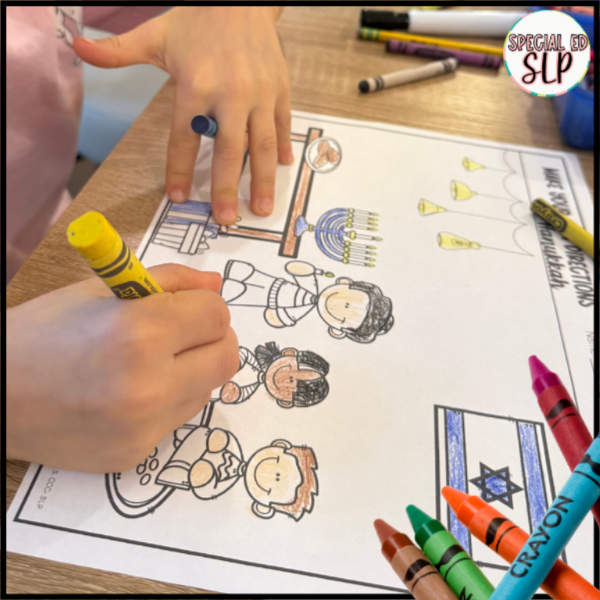
Why Some Students Struggle to Follow Directions
Let’s be real: not every student processes directions the same way.
Whether it’s due to ADHD, auditory processing challenges, language delays, or even just age-appropriate development, some learners need more structure and support to complete even simple multi-step tasks.
Without proper scaffolding, these students often fall behind, not due to lack of ability, but because they didn’t fully understand what to do.
Differentiation Strategies That Work
Here are 6 teacher-tested strategies you can try tomorrow:
1. Use Visual Supports
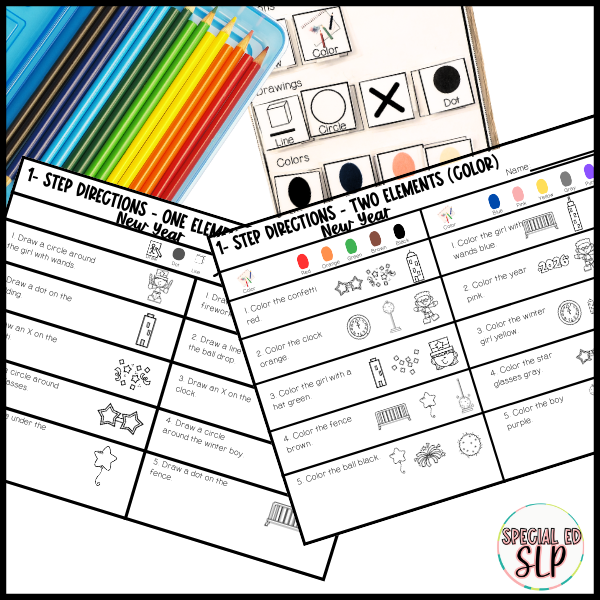
Pair your verbal instructions with visuals: icons, step charts, or picture schedules. This helps students process directions in a more concrete way, especially helpful for ELLs and SPED students.
💡 Pro Tip: Laminate direction cards and reuse them during centers or transitions.

2. Model, Then Repeat
Before giving instructions, model the task. Show, don't just tell. Then ask students to repeat directions back to you (“Tell your neighbor what we’re doing.”)
This checks for understanding and engages auditory and kinesthetic learners.
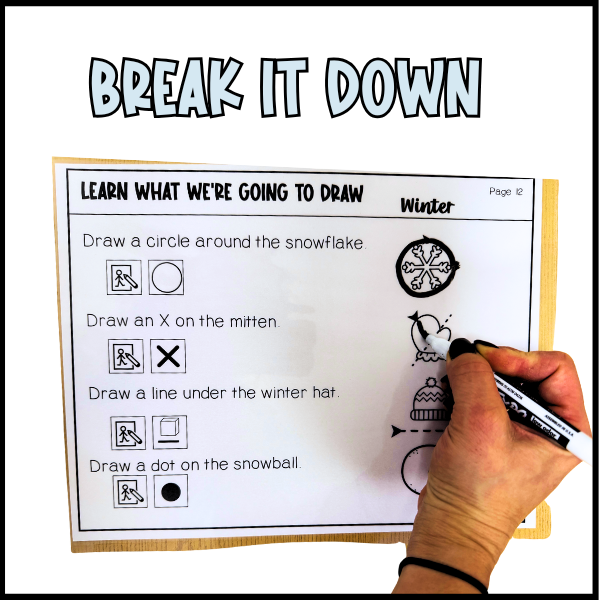
3. Break It Down Into Smaller Steps
Multi-step directions can overwhelm some students. Try giving one step at a time, or numbering steps on the board or on student checklists.
This builds independence without overload.
4. Use Strategic Pairing or Peer Buddies
Pair struggling students with a peer who excels at listening and task-following. These partnerships can build confidence and provide a gentle prompt without adult intervention.

5. Provide Extra Processing Time
After giving instructions, pause. Count to five in your head. Avoid jumping in to repeat yourself too soon, some students just need more time to absorb and act.
6. Practice Skills Explicitly
Following directions is a skill you can teach. Short, focused activities that target listening, sequencing, and comprehension can improve outcomes across the board.
Keep reading for a free winter-themed sample pack to help you do just that!
If you're looking for a done-for-you way to practice these skills consistently, my Winter-Themed Following Directions Worksheets + Boom Cards are a hit with teachers and interventionists alike.
They're designed to be fun, visual, and easy to scaffold — making them ideal for SPED pull-outs, small groups, or morning tubs.
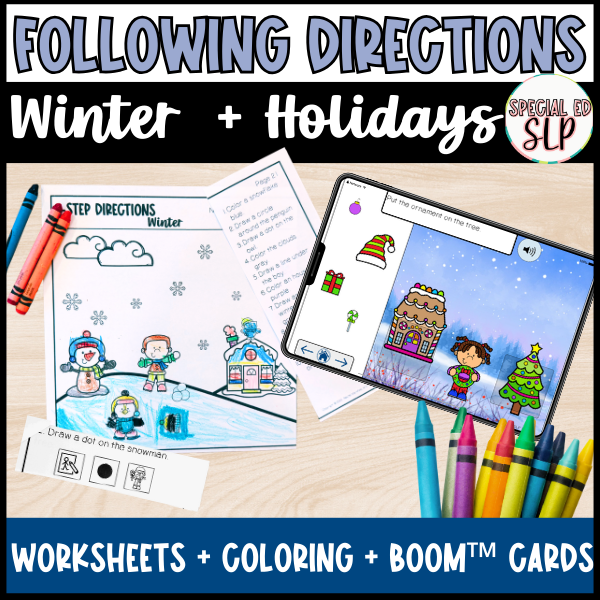
👉 View the full resource here on TPT
🎁 Want to try a few winter-themed following directions activities for free?
Download my Winter Sample Pack — it includes printable and digital Boom Cards that are perfect for small groups, centers, or homework!
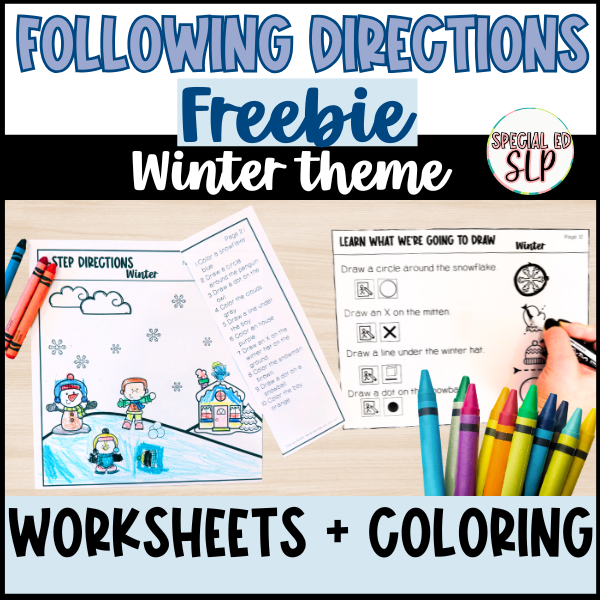
👉 Following Directions Winter FREEBIE
Differentiation doesn’t have to mean reinventing the wheel. With a few strategic tweaks and some ready-to-use tools, you can support all your learners, especially those who need just a little more scaffolding to shine.
Try one strategy this week, grab the freebie, and watch those lightbulb moments happen.